Usability Testing Introduction
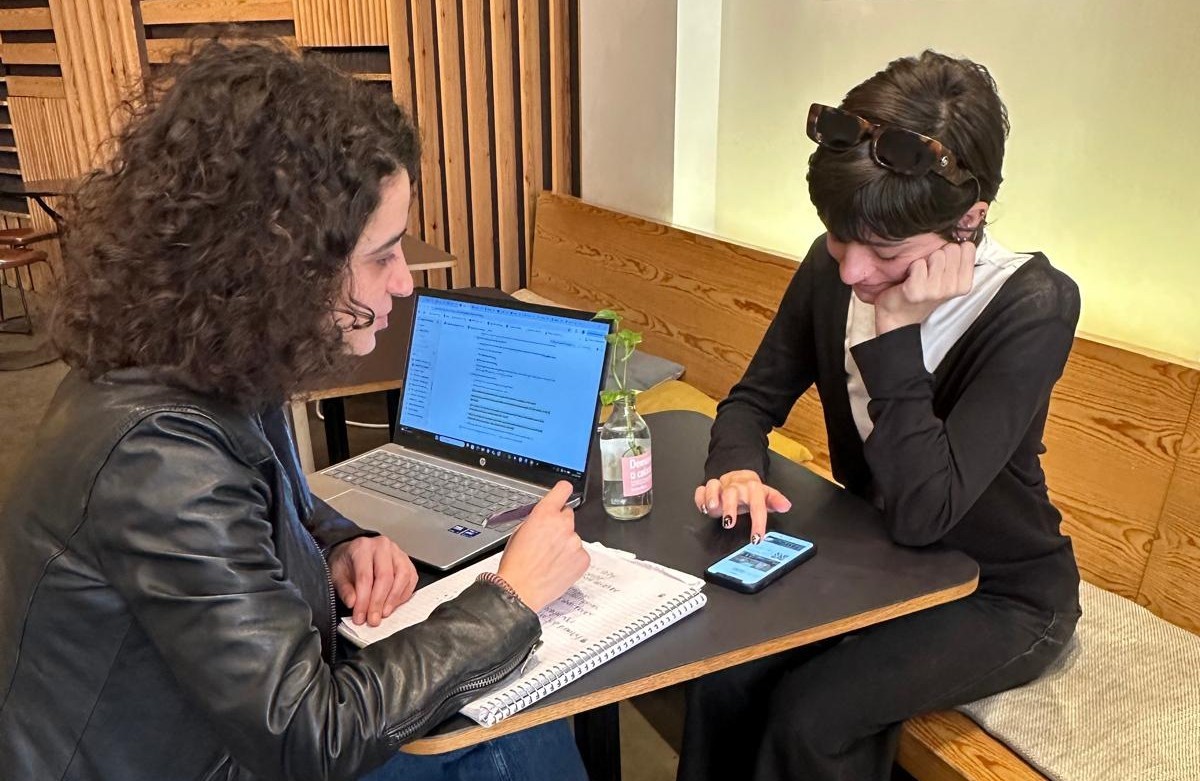
Once the high-fidelity prototype was ready, I moved on to the validation stage with usability testing. I defined clear goals and prepared a set of key questions to gather qualitative insights from five participants, aiming to confirm that the solution met real user needs and to spot any potential friction points in the interface.
Once the high-fidelity prototype was ready, I moved on to the validation stage with usability testing. I defined clear goals and prepared a set of key questions to gather qualitative insights from five participants, aiming to confirm that the solution met real user needs and to spot any potential friction points in the interface.
Test Goals/Scenarios:
Test Goals/Scenarios:
To facilitate access to affordable cultural events
To facilitate access to affordable cultural events
To find out if the way the sections are distributed makes sense to users
To find out if the way the sections are distributed makes sense to users
Core questions
Core questions
Do users think it’s easy to find a type of event?
Do users think it’s easy to find a type of event?
Do users struggle or feel overwhelmed to find the events?
Do users struggle or feel overwhelmed to find the events?
Do users prefer to browse events on a specific date or by category?
Do users prefer to browse events on a specific date or by category?
Would people like to have this app?
Would people like to have this app?
Usability Testing Introduction
Once the high-fidelity prototype was ready, I moved on to the validation stage with usability testing. I defined clear goals and prepared a set of key questions to gather qualitative insights from five participants, aiming to confirm that the solution met real user needs and to spot any potential friction points in the interface.
Test Goals/Scenarios:
To facilitate access to affordable cultural events
To find out if the way the sections are distributed makes sense to users
Core questions
Do users think it’s easy to find a type of event?
Do users struggle or feel overwhelmed to find the events?
Do users prefer to browse events on a specific date or by category?
Would people like to have this app?
Usability Testing Conclusions
Usability testing with five participants validated the app's intuitive interface while uncovering opportunities for navigation and filtering improvements.
Usability testing with five participants validated the app's intuitive interface while uncovering opportunities for navigation and filtering improvements.
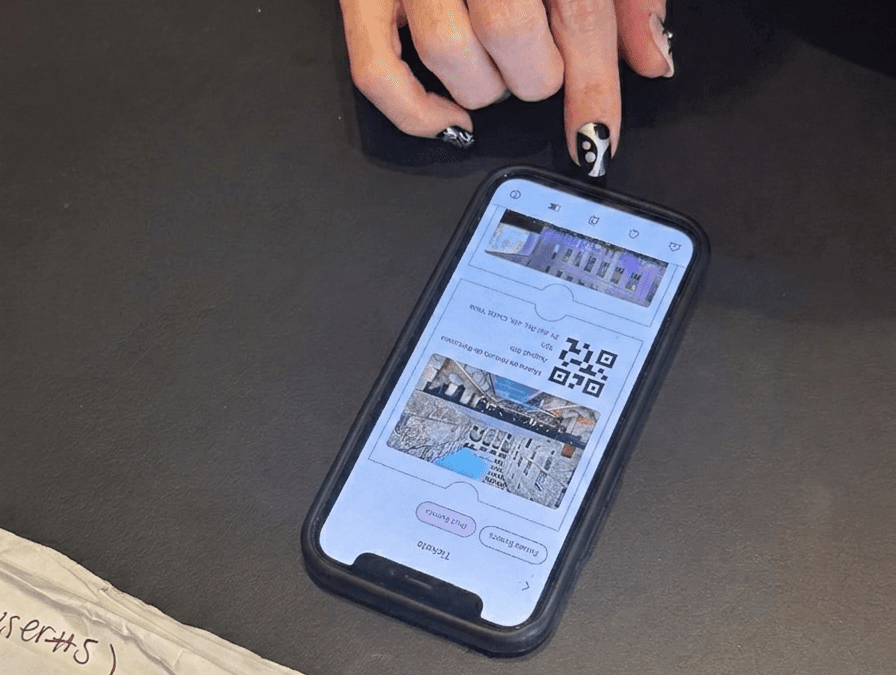
Key findings revealed that location is as decisive as price, suggesting a demand for a map view (similar to Booking.com) to find nearby events. Regarding organization, users missed a filter for selecting paid or free events only and a calendar filter for long-term planning. While 'saved events' and notifications were well-received, I noted confusion regarding the ticketing flow, indicating a need for greater clarity on the purchase process for paid events.
Key findings revealed that location is as decisive as price, suggesting a demand for a map view (similar to Booking.com) to find nearby events. Regarding organization, users missed a filter for selecting paid or free events only and a calendar filter for long-term planning. While 'saved events' and notifications were well-received, I noted confusion regarding the ticketing flow, indicating a need for greater clarity on the purchase process for paid events.
Finally, a standout insight emerged regarding predictive notifications: some users desire alerts for new exhibitions at previously visited or saved venues. To ensure user autonomy and control, these preferences would be fully manageable within the user profile. Valuable feedback on wheelchair accessibility and promo codes for some events was also integrated as possible future iterations.
Finally, a standout insight emerged regarding predictive notifications: some users desire alerts for new exhibitions at previously visited or saved venues. To ensure user autonomy and control, these preferences would be fully manageable within the user profile. Valuable feedback on wheelchair accessibility and promo codes for some events was also integrated as possible future iterations.
Usability Testing Conclusions
Usability testing with five participants validated the app's intuitive interface while uncovering opportunities for navigation and filtering improvements.
Key findings revealed that location is as decisive as price, suggesting a demand for a map view (similar to Booking.com) to find nearby events. Regarding organization, users missed a filter for selecting paid or free events only and a calendar filter for long-term planning. While 'saved events' and notifications were well-received, I noted confusion regarding the ticketing flow, indicating a need for greater clarity on the purchase process for paid events.
Finally, a standout insight emerged regarding predictive notifications: some users desire alerts for new exhibitions at previously visited or saved venues. To ensure user autonomy and control, these preferences would be fully manageable within the user profile. Valuable feedback on wheelchair accessibility and promo codes for some events was also integrated as possible future iterations.
6/7
6/7
la cultural: Validate
la cultural: Validate