Usability Testing Introduction
To ensure the effectiveness of our testing, we revised our research goal and pre-defined our usability research objectives. We set clear goals to understand user behavior and outlined the key insights we aimed to identify:
To ensure the effectiveness of our testing, we revised our research goal and pre-defined our usability research objectives. We set clear goals to understand user behavior and outlined the key insights we aimed to identify:
Does Unscroll actually make users more aware of their social media behavior?
Does Unscroll actually make users more aware of their social media behavior?
Do the warnings meaningfully interrupt behavior, or are they ignored?
Do the warnings meaningfully interrupt behavior, or are they ignored?
How much intervention is “just right”?
How much intervention is “just right”?
Do users understand why they’re being interrupted?
Do users understand why they’re being interrupted?
How does Unscroll feel emotionally?
How does Unscroll feel emotionally?
Does this feel like a believable, trustworthy product?
Does this feel like a believable, trustworthy product?
Is this intervention enough or not?
Is this intervention enough or not?
Do they think the EU should implement this law for all phone/social media users?
Do they think the EU should implement this law for all phone/social media users?
Usability Testing Conclusions
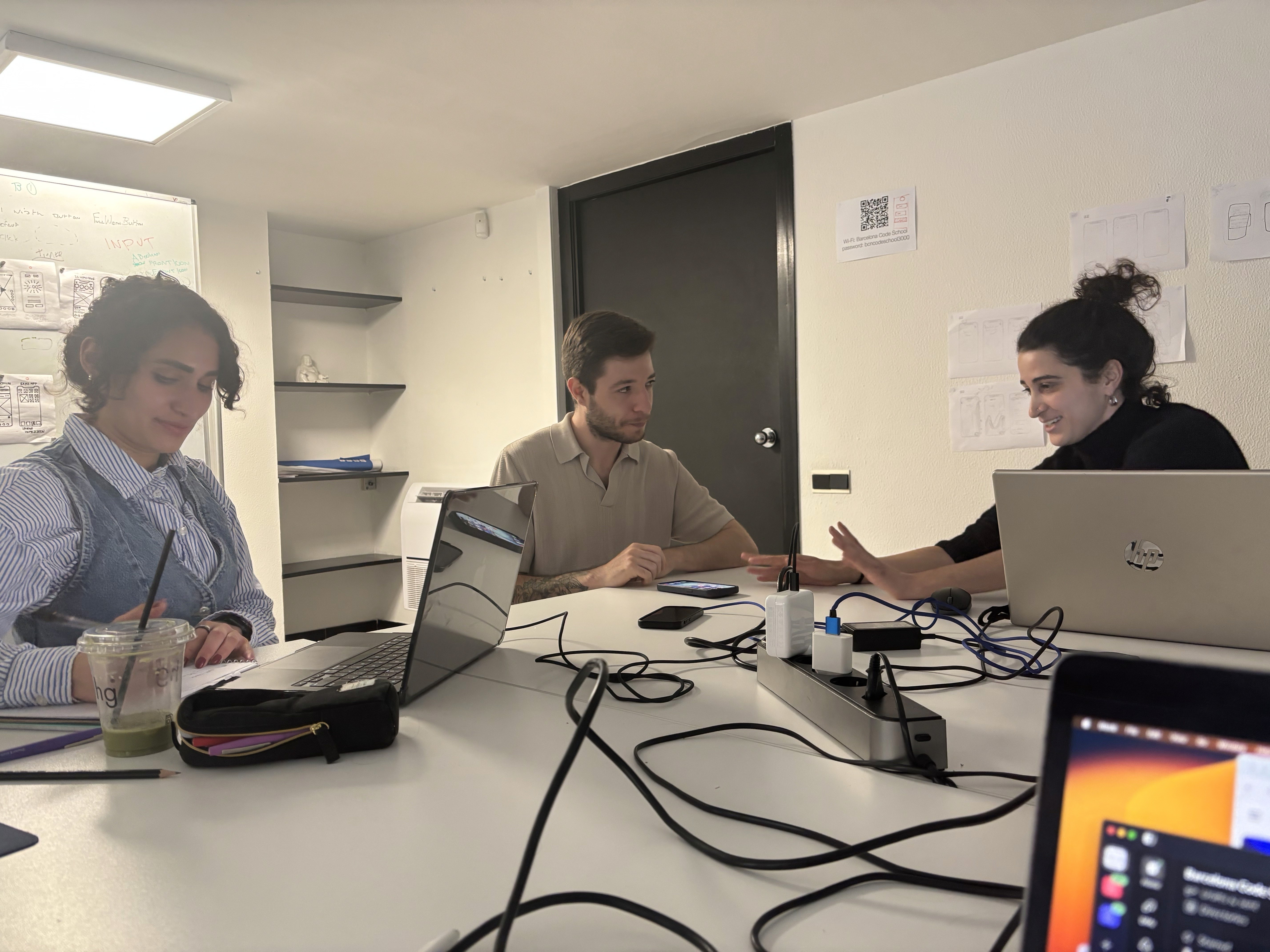
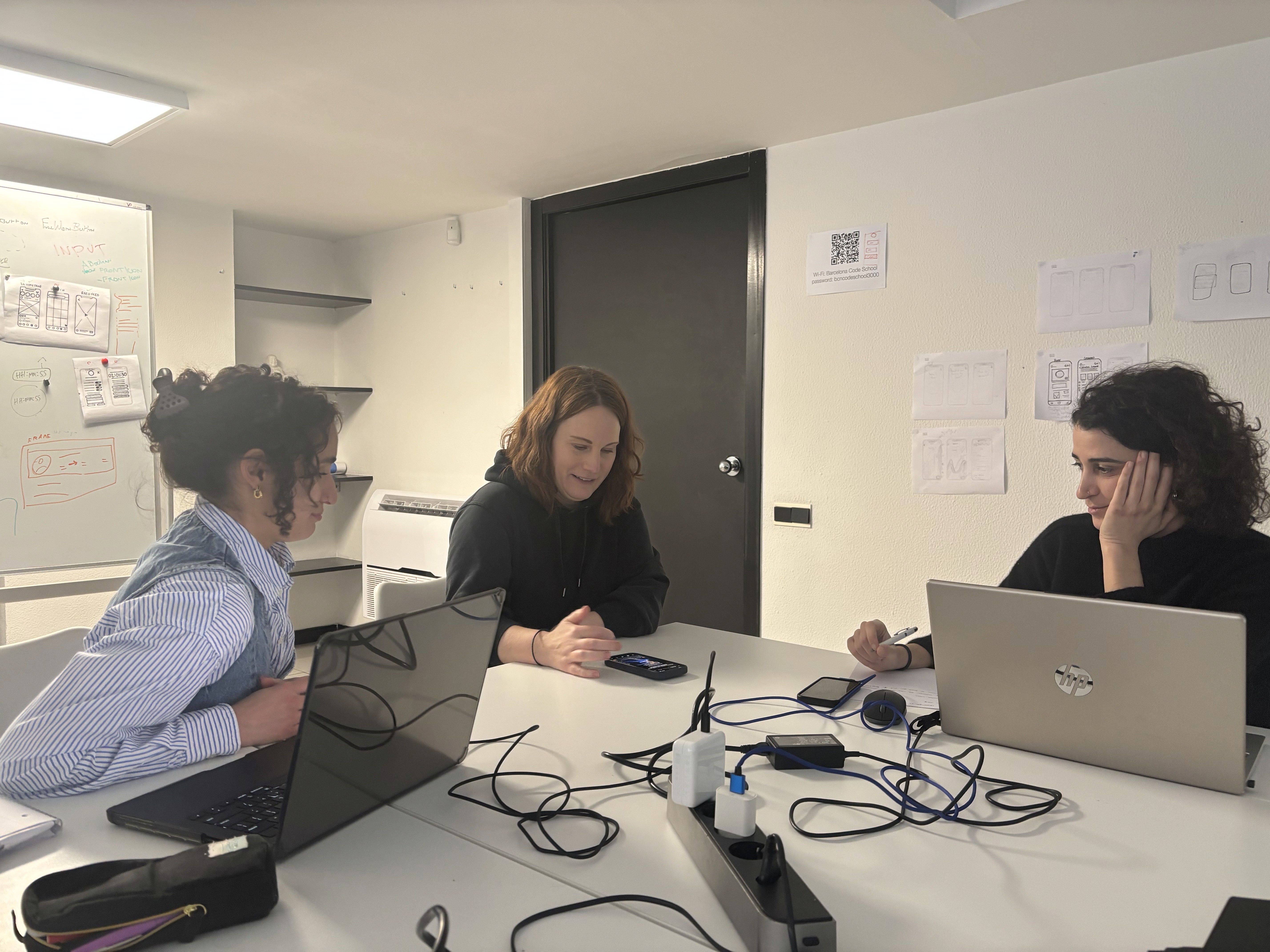
With our objectives aligned, we moved into the usability testing phase. After conducting usability tests with five participants, we observed varying levels of awareness: while some users were more mindful of the issue, others underestimated their own dependency. This duality directly impacted engagement with the Learn More page, as some users were more interested than others on clicking the button. We identified text density as a friction point, leading some participants to skip the section or abandon it due to the length of the explanation.
With our objectives aligned, we moved into the usability testing phase. After conducting usability tests with five participants, we observed varying levels of awareness: while some users were more mindful of the issue, others underestimated their own dependency. This duality directly impacted engagement with the Learn More page, as some users were more interested than others on clicking the button. We identified text density as a friction point, leading some participants to skip the section or abandon it due to the length of the explanation.
Regarding the effectiveness of the prompts, the count-up timer (time spent) delivered the strongest emotional impact, with most users indicating they would take a break if they saw a warning like this. Users also appreciated the algorithm control page, as it allowed them to manage how content is displayed to them on Instagram. On the other hand, the countdown timer caused uncertainty regarding navigation freedom, highlighting a lack of clarity in the exit flow.
Regarding the effectiveness of the prompts, the count-up timer (time spent) delivered the strongest emotional impact, with most users indicating they would take a break if they saw a warning like this. Users also appreciated the algorithm control page, as it allowed them to manage how content is displayed to them on Instagram. On the other hand, the countdown timer caused uncertainty regarding navigation freedom, highlighting a lack of clarity in the exit flow.
By the end of the interviews, it was clear that users valued both the awareness provided and the freedom of choice. The ability to make informed decisions, without being forced to exit the app, led to a much more positive reception. These findings served as the foundation for our final iterations.
By the end of the interviews, it was clear that users valued both the awareness provided and the freedom of choice. The ability to make informed decisions, without being forced to exit the app, led to a much more positive reception. These findings served as the foundation for our final iterations.
6/7
6/7
Usability Testing Introduction
To ensure the effectiveness of our testing, we revised our research goal and pre-defined our usability research objectives. We set clear goals to understand user behavior and outlined the key insights we aimed to identify:
Does Unscroll actually make users more aware of their social media behavior?
Do the warnings meaningfully interrupt behavior, or are they ignored?
How much intervention is “just right”?
Do users understand why they’re being interrupted?
How does Unscroll feel emotionally?
Does this feel like a believable, trustworthy product?
Is this intervention enough or not?
Do they think the EU should implement this law for all phone/social media users?
Usability Testing Conclusions
With our objectives aligned, we moved into the usability testing phase. After conducting usability tests with five participants, we observed varying levels of awareness: while some users were more mindful of the issue, others underestimated their own dependency. This duality directly impacted engagement with the Learn More page, as some users were more interested than others on clicking the button. We identified text density as a friction point, leading some participants to skip the section or abandon it due to the length of the explanation.
Regarding the effectiveness of the prompts, the count-up timer (time spent) delivered the strongest emotional impact, with most users stating they would take a break if they saw a warning like this. Users also appreciated the algorithm control page, as it allowed them to manage how content is displayed to them on Instagram. On the other hand, the countdown timer caused uncertainty regarding navigation freedom, highlighting a lack of clarity in the exit flow.
By the end of the interviews, it was clear that users valued both the awareness provided and the freedom of choice. The ability to make informed decisions, without being forced to exit the app, led to a much more positive reception. These findings served as the foundation for our final iterations.
Unscroll: Validate
Unscroll: Validate